連日、日本の国会ではクルージングミサイルのスピードの遅さを指摘する左翼議員がくだらない政権批判をしている、”平和な”東京です。It is a “peaceful” Tokyo where leftist lawmakers are criticizing the administration for the slow speed of cruising missiles in the Japanese Diet every day.
クルージングミサイルの開発の経緯を教えてください。
How did you develop the cruising missile?
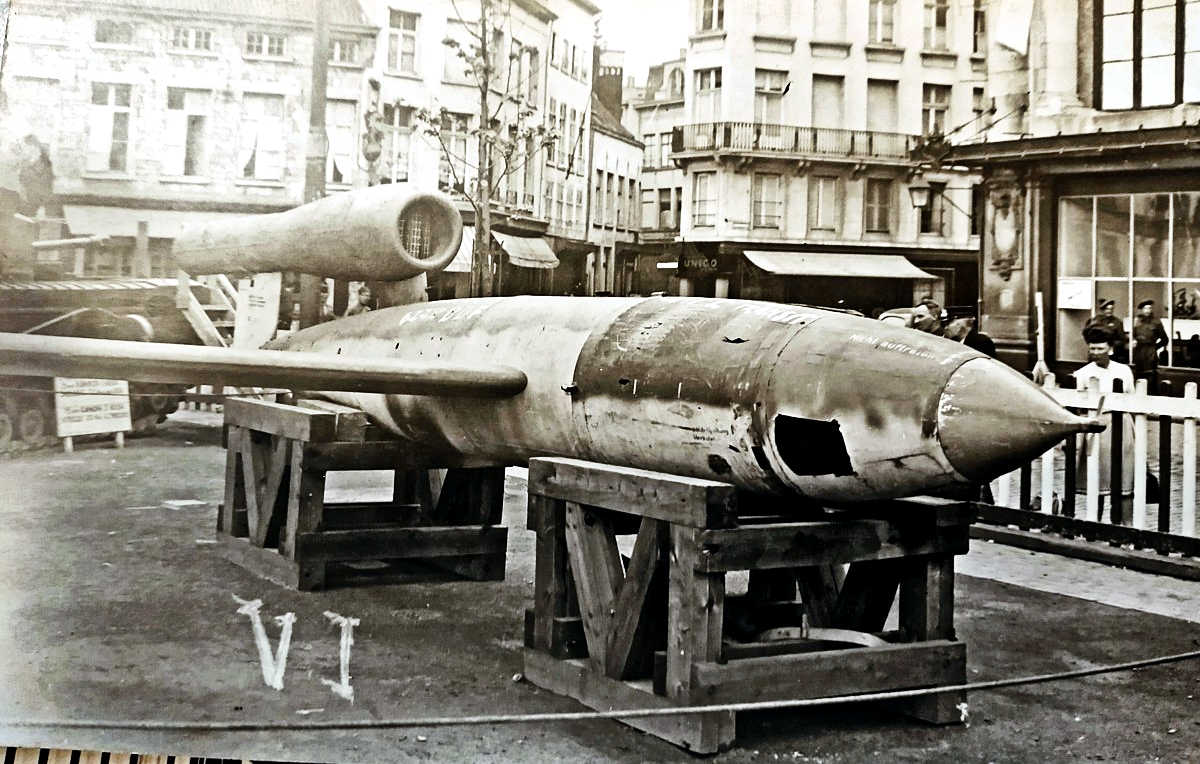
最初の巡航ミサイルは、第二次世界大戦中にドイツが開発した「V-1飛行爆弾」と呼ばれるもので、無誘導でジェットエンジンを搭載したシンプルなものでした。その後、アメリカ、ロシア、中国などさまざまな国が、誘導装置の改良、射程距離の延長、精度の向上など、より高度で洗練された巡航ミサイルを開発した。
巡航ミサイルの開発には、航空力学、推進システム、誘導制御システム、材料科学、電子工学など、さまざまな分野の研究・開発が組み合わされています。巡航ミサイルの開発過程では、通常、試作品の設計とテスト、信頼性と精度を確保するための大規模なシミュレーションとテスト、そして望ましい性能仕様を満たすまで技術を改良することが必要です。
The first cruise missile was developed by Germany during World War II, known as the V-1 flying bomb, which was a simple, unguided, and jet-powered missile. Since then, various countries, including the United States, Russia, and China, have developed more advanced and sophisticated cruise missiles with improved guidance systems, longer range, and increased accuracy.
The development of cruise missiles has involved a combination of research and development in various fields such as aerodynamics, propulsion systems, guidance and control systems, materials science, and electronics. The process of developing a cruise missile typically involves designing and testing prototypes, conducting extensive simulations and tests to ensure reliability and accuracy, and refining the technology until it meets the desired performance specifications.
他のミサイルシステムとクルージングミサイルとの違いは何ですか?また戦術的にどの点が有利なのでしょうか?What is the difference between other missile systems and cruising missiles? What are the tactical advantages?
巡航ミサイルと他のミサイルシステムには、いくつかの違いがあります。ここでは、その主なものを紹介します。
- 射程距離。巡航ミサイルは、他の多くの種類のミサイルに比べて射程距離が長い。巡航ミサイルの中には数千キロメートルの距離を飛ぶものもあるが、他のミサイルは数百キロメートルしか飛べない場合もある。
- 飛行ルート。弾道ミサイルは、高く弧を描く軌道を描き、高速で地上に落下しますが、巡航ミサイルは比較的低い高度を飛行し、探知や迎撃を回避するための操縦が可能です。
- 誘導 巡航ミサイルは通常、GPS、慣性航法、地形図システムを組み合わせて誘導されるため、高い精度で目標に到達することができる。
- 速度:巡航ミサイルは、他のミサイルタイプほど速くはありませんが、それでも比較的速く、最大でマッハ3の速度に達することができます。
戦術的な利点という点では、巡航ミサイルは軍事兵器システムとして価値のあるいくつかの利点を持っています。これらの利点には、以下のようなものがあります。
- 精度。高度な誘導システムにより、巡航ミサイルは非常に正確であり、特定の目標を正確に攻撃することができます。
- 多用途性。巡航ミサイルは、船舶、潜水艦、航空機、地上発射装置など、さまざまなプラットフォームから発射することができるため、さまざまな状況で使用できる汎用性の高い兵器システムです。
- ステルス性。巡航ミサイルは、低空を飛行し、探知されないように機動するため、探知や迎撃が困難である。
- オペレーターのリスクを最小限に抑えます。標的の近くにいる必要がある他のミサイルとは異なり、巡航ミサイルは安全な距離から発射することができるため、オペレーターのリスクを最小限に抑えることができます。
全体として、巡航ミサイルの高度な技術、射程距離、精度は、多くの戦術的な利点を持つ非常に効果的な兵器システムである。
There are several differences between cruise missiles and other missile systems. Here are some of the main ones:
- Range: Cruise missiles have a longer range than many other types of missiles. Some cruise missiles can travel thousands of kilometers, whereas other missiles may have a range of only a few hundred kilometers.
- Flight Path: Unlike ballistic missiles, which follow a high, arcing trajectory and then fall to the ground at a high speed, cruise missiles fly at a relatively low altitude and can maneuver to avoid detection and interception.
- Guidance: Cruise missiles are typically guided by a combination of GPS, inertial navigation, and terrain mapping systems, which allow them to navigate to their target with high accuracy.
- Speed: While cruise missiles are not as fast as some other missile types, they are still relatively fast and can reach speeds of up to Mach 3.
In terms of tactical advantages, cruise missiles have several benefits that make them a valuable military weapon system. Some of these advantages include:
- Precision: Because of their advanced guidance systems, cruise missiles can be highly accurate, allowing them to hit specific targets with precision.
- Versatility: Cruise missiles can be launched from a variety of platforms, including ships, submarines, aircraft, and ground-based launchers, making them a versatile weapon system that can be used in a variety of situations.
- Stealth: Because they fly at a low altitude and can maneuver to avoid detection, cruise missiles can be difficult to detect and intercept.
- Minimal Risk to Operators: Unlike some other types of missiles that require operators to be in close proximity to the target, cruise missiles can be launched from a safe distance, minimizing the risk to operators.
Overall, the advanced technology, range, and precision of cruise missiles make them a highly effective weapon system with many tactical advantages.
軍事衝突の初期、中期、終焉において、クルージングミサイルの戦略的/戦術的役割を教えてください。What is the strategic/tactical role of cruising missiles in the early, middle and end of a military conflict?
巡航ミサイルの戦略的・戦術的な役割は、軍事衝突の段階によって異なることがあります。ここでは、紛争の初期、中期、後期における巡航ミサイルの使用方法について紹介します。
紛争の初期段階
戦略的抑止力。巡航ミサイルは、戦略的抑止戦略の一環として使用されることがあり、自国の軍事力を誇示し、潜在的な敵対者の敵対行動を抑止するために配備されることがあります。
初期攻撃。紛争の初期段階では、指揮統制センター、防空施設、敵のミサイル基地など、主要な軍事目標に対する初期攻撃に使用されることがあります。
紛争の中盤
反撃のための攻撃。飛行場や港湾、軍事施設など、敵の軍事目標に対する反撃に使用されることがある。
阻止行動。敵軍を妨害し、補給線、通信、輸送インフラを破壊することができる。
対艦戦。巡航ミサイルは、敵の艦艇を標的にする対艦戦にも使用される。
紛争の最終段階
最終的な攻防。巡航ミサイルは、敵の残存軍事資産を破壊し、紛争を終結させるための最終攻勢の一環として使用されることがあります。
強権的な外交。巡航ミサイルは、停戦や和平交渉のために敵に圧力をかける、強圧的外交戦略にも使用できます。
巡航ミサイルは破壊力が強く、大きな被害や人命を奪う可能性があるため、紛争での使用は大きな議論を呼ぶ可能性があることは留意しておく必要がある。そのため、その使用は通常、厳格な交戦規則と国際戦争法の適用を受けることになる。
The strategic and tactical roles of cruise missiles can vary depending on the stage of a military conflict. Here are some of the ways that cruise missiles might be used in the early, middle, and end stages of a conflict:
Early stage of a conflict:
Strategic Deterrence: Cruise missiles can be used as part of a strategic deterrence strategy, where they are deployed to demonstrate a country’s military capability and deter potential adversaries from taking hostile actions.
Initial Strikes: In the early stages of a conflict, cruise missiles may be used to launch initial strikes against key military targets, such as command and control centers, air defenses, and enemy missiles sites.
Middle stage of a conflict:
Counter-Force Strikes: Cruise missiles can be used to launch counter-force strikes against enemy military targets, such as airfields, ports, and military installations.
Interdiction: Cruise missiles can be used to interdict enemy forces and disrupt their supply lines, communications, and transportation infrastructure.
Anti-Ship Warfare: Cruise missiles can also be used for anti-ship warfare, where they are used to target enemy naval vessels.
End stage of a conflict:
Final Offensive: Cruise missiles can be used as part of a final offensive to destroy remaining enemy military assets and bring an end to the conflict.
Coercive Diplomacy: Cruise missiles can also be used in a coercive diplomacy strategy, where they are used to put pressure on an enemy to negotiate a ceasefire or peace agreement.
It’s worth noting that the use of cruise missiles in a conflict can be highly controversial, as they are highly destructive weapons that can cause significant damage and loss of life. As such, their use is typically subject to strict rules of engagement and international laws of war.
日本のように専守防衛を国是とする国がクルージングミサイルを有効に使うことができるのだろうかCan a country like Japan, which makes defensive defense its national policy, make effective use of cruising missiles?
そう、日本のように国策として防衛を重視する国では、巡航ミサイルを防衛の場面で有効活用することができるのです。巡航ミサイルは攻撃的な軍事作戦のイメージが強いですが、対艦や対空など防衛的な用途にも使用できます。
例えば、日本の海上自衛隊は、敵の艦船や潜水艦などの海上の脅威から防衛するために巡航ミサイルを使用する可能性がある。また、巡航ミサイルは、潜在的な攻撃者に対する抑止力としても利用できる可能性がある。
巡航ミサイルの開発と使用は、特に地域の緊張と領土問題との関連で、敏感な問題となり得ることは注目に値する。そのため、日本が巡航ミサイルを取得または配備する決定を下す際には、地域の同盟国やパートナーとの慎重な検討と協議が必要となる可能性が高い。
全体として、日本の国防政策は防衛を重視しているが、防衛手段としての巡航ミサイルの使用は、この地域における日本の抑止力および防衛力を高める可能性がある。
Yes, a country like Japan, which emphasizes defensive defense as its national policy, can make effective use of cruise missiles in a defensive context. While cruise missiles are often associated with offensive military operations, they can also be used for defensive purposes, such as in anti-ship or anti-aircraft roles.
For example, Japan’s Maritime Self-Defense Force could potentially use cruise missiles to defend against incoming naval threats, such as enemy ships or submarines. Japan could also use cruise missiles as a deterrent against potential aggressors, as a credible cruise missile capability could dissuade potential attackers from initiating hostile actions.
It’s worth noting that the development and use of cruise missiles can be a sensitive issue, particularly in the context of regional tensions and territorial disputes. As such, any decision by Japan to acquire or deploy cruise missiles would likely be subject to careful consideration and consultation with its allies and partners in the region.
Overall, while Japan’s national defense policy emphasizes defensive defense, the use of cruise missiles as a defensive tool could potentially enhance Japan’s deterrence and defense capabilities in the region.
もし日本の憲法改正が行われた場合、クルージングミサイルのポテンシャルをより有効に使えると思うのだが?If Japan’s Constitution were to be amended, could the potential of cruising missiles be used more effectively?
日本の憲法が改正され、防衛力の拡大解釈が可能になれば、巡航ミサイルをより効果的に使用できるようになる可能性がある。現在、日本国憲法は第二次世界大戦後に制定され、自衛のためのみに軍事活動を制限する平和主義条項を含んでいます。
もしこの条項が改正されれば、日本は攻撃的、先制的な作戦など、より幅広い目的のために巡航ミサイルを取得、配備することができるようになる可能性がある。これは、日本の軍事力を強化し、地域の脅威から自国を守る能力を高める可能性がある。
If Japan’s Constitution were to be amended to allow for a broader interpretation of the country’s defense capabilities, it could potentially enhance Japan’s ability to use cruise missiles more effectively. Currently, Japan’s Constitution, which was drafted after World War II, includes a pacifist clause that limits the country’s military activities to self-defense only.
If this clause were to be amended or reinterpreted, it could potentially open the door for Japan to acquire and deploy cruise missiles for a wider range of purposes, such as in offensive or preemptive operations. This could potentially enhance Japan’s military capabilities and its ability to defend itself against regional threats.

クルージングミサイルは、費用対効果の高い兵器システムですか?
Are cruising missiles a cost-effective weapon system?
巡航ミサイルは、開発、製造、配備に費用がかかる兵器システムである。しかし、費用対効果が高いかどうかは、使用される特定の状況や達成しようとする目的など、さまざまな要因に左右される。
場合によっては、巡航ミサイルは、他の軍事的選択肢と比較して、費用対効果に優れているとみなされることもある。例えば、特定の任務を遂行するために有人航空機や地上軍を配備するよりも低コストである場合がある。さらに、巡航ミサイルは安全な距離から発射することができるため、人員や設備に対するリスクを軽減することができ、長期的には費用対効果に優れている。
しかし、他の文脈では、巡航ミサイルは他の選択肢よりも費用対効果が低い場合がある。例えば、比較的価値の低い標的を攻撃するために巡航ミサイルを使用する場合、ミサイルのコストは攻撃の潜在的な利益を上回る可能性がある。さらに、ミサイルが意図した目標を外れた場合、資源の無駄遣いとなる可能性もある。
巡航ミサイルの費用対効果については、しばしば議論の対象となり、使用される特定の状況によって異なることも注目に値する。例えば、巡航ミサイルの開発・配備にかかる高いコストは、それがもたらす比較的限定的な戦術的優位性によって正当化されないかもしれないと主張する批評家もいる。
全体として、巡航ミサイルは強力で効果的な兵器システムであるが、その費用対効果は様々な要因に依存し、その配備はケースバイケースで慎重に評価されなければならない。
Cruise missiles can be an expensive weapon system to develop, produce, and deploy. However, whether or not they are cost-effective depends on a variety of factors, such as the specific context in which they are used and the objectives that they are intended to achieve.
In some cases, cruise missiles may be considered cost-effective when compared to other military options. For example, they may be less expensive than deploying manned aircraft or ground forces to carry out a particular mission. Additionally, cruise missiles can be launched from a safe distance, reducing the risk to personnel and equipment, which can be cost-effective in the long run.
However, in other contexts, cruise missiles may be less cost-effective than other options. For example, if a cruise missile is used to attack a relatively low-value target, the cost of the missile may outweigh the potential benefits of the attack. Additionally, if a missile misses its intended target, it can be a waste of resources.
It’s also worth noting that the cost-effectiveness of cruise missiles is often subject to debate and depends on the specific circumstances in which they are used. For example, some critics argue that the high cost of developing and deploying cruise missiles may not be justified by the relatively limited tactical advantages that they provide.
Overall, while cruise missiles can be a powerful and effective weapon system, their cost-effectiveness depends on a range of factors, and their deployment must be carefully evaluated on a case-by-case basis.
結論conclusion
chatGPT、ありがとう。
戦略的抑止力を最大限発揮する事こそ、現在の日本に期待されることであり、そのためには、日本国憲法の改正は不可避である。特に、巡航ミサイルは高価なミサイルシステムである。費用対効果を最大限にするためにも、早急な憲法改正が望まれる。
Thank you, chatGPT
The maximum exercise of strategic deterrence is what is expected of Japan today, and for this purpose, a revision of the Constitution of Japan is inevitable. In particular, cruise missiles are expensive missile systems. In order to maximize cost-effectiveness, an urgent revision of the Constitution is desirable.